Filtration Maintenance Strategies for Large Civil Earthmoving Fleets
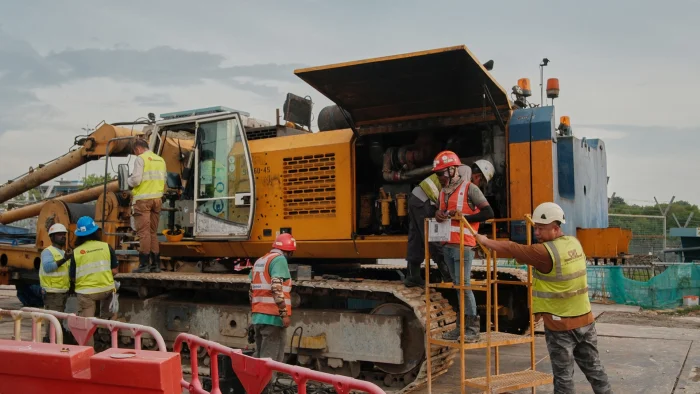
Keeping Your Fleet Working Harder for Longer
When a machine is expected to shift tonnes of material day after day, filtration is often the difference between steady productivity and costly downtime. That is why Filtration Maintenance Strategies for Large Civil Earthmoving Fleets matter so much: they help protect engines, hydraulics, fuel systems and cooling components from the abrasive conditions that come with civil earthmoving work.
In practical terms, Filtration Maintenance Strategies for Large Civil Earthmoving Fleets are the planned checks, replacements and product selections that keep contaminants out and performance up. For fleet operators, that means fewer breakdowns, better fuel economy, longer component life and more predictable maintenance budgets. It is a core part of Heavy Equipment Filtration, where the right filtration approach supports reliability across the entire machine.
In this article, Filters Plus explores how to develop an effective filtration maintenance strategy for large civil earthmoving fleets, covering air, fuel, oil, coolant and hydraulic filtration. We’ll also examine the warning signs of filtration-related issues, the risks associated with delayed filter replacements, and the key factors to consider when selecting filters for demanding operating conditions. For more information, visit our Heavy Equipment Filtration page.
At Filters Plus , we understand the pressures that come with keeping civil equipment on site and on schedule. With more than 20 years of experience supplying filters and related products Australia wide, we help customers find the right solution for heavy-duty applications, backed by practical advice and reasonable prices. If you need help with your fleet’s filtration requirements, contact us and we will be glad to assist.
Filtration Maintenance Strategies for Large Civil Earthmoving Fleets
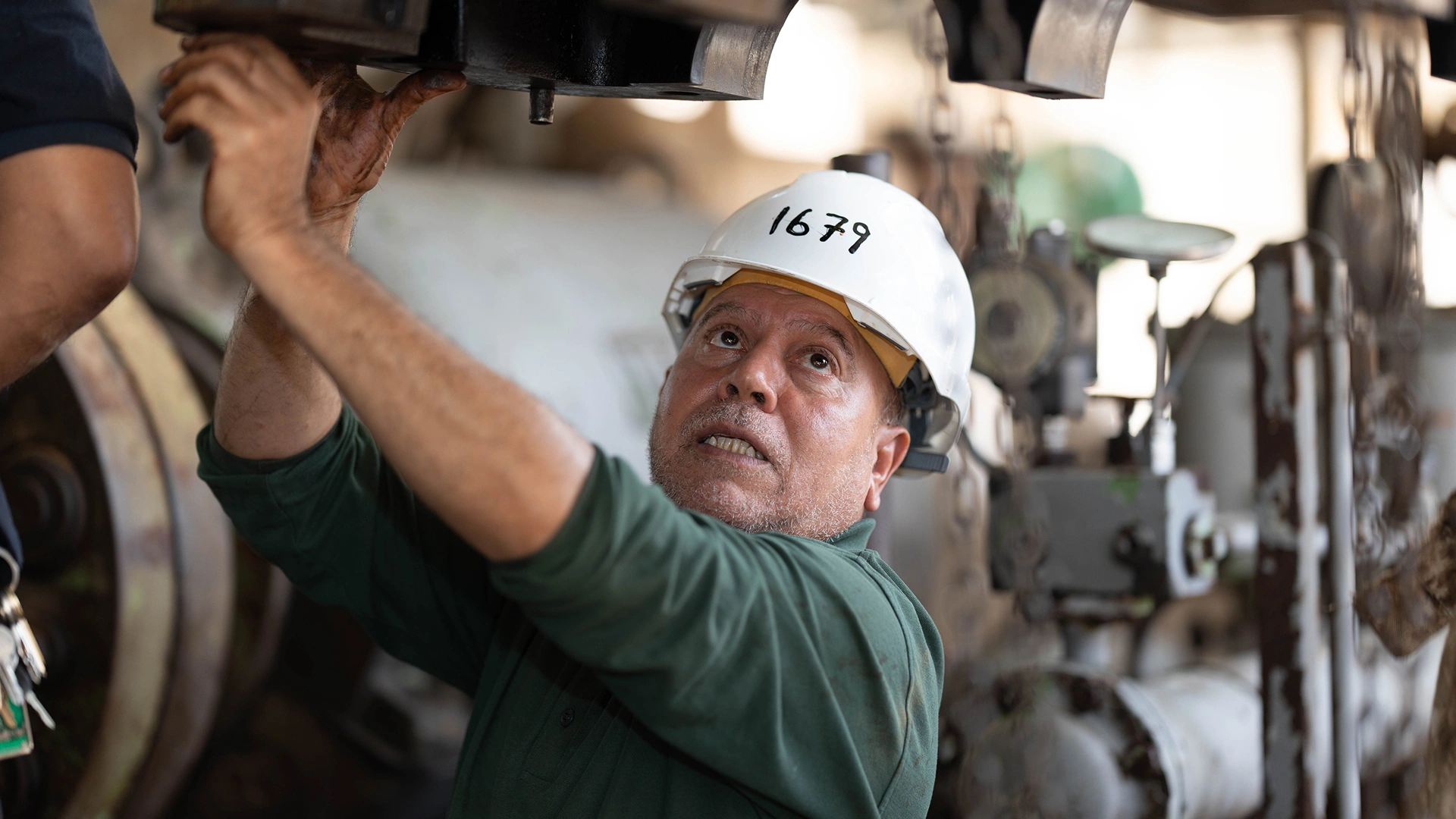
Filtration Maintenance Strategies are the planned, ongoing practices used to keep filters working properly across excavators, dozers, graders, dump trucks and other heavy civil equipment. In simple terms, it’s the system behind making sure air, oil, fuel, coolant and hydraulic filters are changed, inspected and matched to the right machine at the right time. Think of it like preventative healthcare for your fleet: rather than waiting for a breakdown, you protect the engine and critical systems before contamination causes costly damage.
These strategies usually include scheduled filter replacement, condition checks, contamination control, oil analysis, and selecting filters suited to the machine’s duty cycle and working environment. For civil earthmoving fleets, that matters because dust, mud, vibration and long operating hours can quickly reduce filter performance. A filter that looks fine on the outside may already be overloaded inside, so maintenance is not just about replacing parts, it’s about understanding operating conditions and keeping every system clean and efficient.
This sits right at the heart of Heavy Equipment Filtration. Good filtration maintenance helps protect fuel injection systems, hydraulic components and engines from dirt, soot, rust and other contaminants that can shorten equipment life or increase fuel use. It also plays a vital role in preventing damage caused by contaminated fuel, which can accelerate wear in injectors, pumps and other precision fuel system components. One common misconception is that filtration is only about the air filter. In reality, every major fluid path in your machine depends on clean, reliable filtration to perform as intended.
At Filters Plus, we know that civil earthmoving fleets need practical, dependable solutions that keep machines on site and working hard. That’s why filtration maintenance strategies should be built around the real demands of your fleet, not a one-size-fits-all schedule. When we help you choose the right filters and maintain them properly, you’re not just replacing consumables, you’re helping safeguard uptime, performance and long-term value across the whole fleet.
Terms to know for smarter filtration maintenance on civil earthmoving fleets
If you manage large civil earthmoving fleets, understanding a few core filtration terms can make day-to-day maintenance decisions much easier. These definitions will help you protect equipment, reduce downtime and get more from every service interval.
Filtration efficiency
Filtration efficiency is the filter’s ability to capture harmful contaminants before they circulate through the system. A more efficient filter removes a greater proportion of dirt, dust and wear particles, which is especially important in harsh civil construction environments. It matters because better filtration efficiency supports longer component life and more reliable performance across your fleet.
Micron rating
A micron rating indicates the size of particles a filter can trap, measured in microns. The lower the rating, the finer the filtration, although the right choice depends on the application and the equipment manufacturer’s requirements. For Filtration Maintenance Strategies for Large Civil Earthmoving Fleets, this helps you match the filter to the level of protection each machine needs.
Pressure differential
Pressure differential is the difference in pressure between the inlet and outlet sides of a filter. As a filter loads with contaminants, this difference increases, which can restrict flow and affect performance. Monitoring it helps you know when a filter is becoming overloaded and needs attention before it causes avoidable wear or reduced output.
Bypass valve
A bypass valve is a built-in safety feature that allows fluid to flow around the filter if it becomes blocked or the pressure differential becomes too high. This prevents starvation of oil, fuel or hydraulic fluid, but it also means unfiltered fluid may enter the system. In heavy earthmoving fleets, understanding bypass behaviour is vital because it can protect equipment in the short term while signalling that maintenance is overdue.
Contamination control
Contamination control is the practice of keeping dirt, water, debris and other unwanted material out of fluids and systems. It includes clean handling, correct storage, careful installation and regular inspection of filters and components. For civil earthmoving fleets, strong contamination control is one of the most effective ways to reduce premature failures and keep machines working in tough site conditions.
Service interval
A service interval is the planned period or operating hours between maintenance tasks such as filter replacement or inspection. These intervals are usually set by the manufacturer, but real-world conditions like dust, heat and heavy loads may mean you need to service sooner. In Filtration Maintenance Strategies for Large Civil Earthmoving Fleets, service intervals help you build a practical maintenance schedule that balances protection, uptime and cost.
Oil analysis
Oil analysis is the testing of lubricant to check for contaminants, wear metals and signs of degradation. It gives you early warning of internal issues that may not be visible during routine inspections. For large earthmoving fleets, oil analysis can confirm whether your filtration strategy is working properly and help you catch problems before they become expensive breakdowns.
Knowing these terms gives you a stronger foundation for making smart filtration decisions across your fleet. With the right understanding, you can improve reliability, protect valuable components and keep your machines working harder for longer.
FAQs on Filtration Maintenance for Large Civil Earthmoving Fleets
Keeping a large civil earthmoving fleet running efficiently means staying ahead of filter wear, contamination and service intervals. Below are some of the most common questions we hear from fleet managers looking to protect equipment, reduce downtime and get the best life from every machine.
How often should filters be changed in a large civil earthmoving fleet?
There’s no one-size-fits-all schedule, because change intervals depend on machine type, operating conditions and the level of dust or debris on site. In harsh civil construction environments, filters often need replacing more frequently than the standard service interval, especially air and fuel filters. The best approach is to follow the manufacturer’s recommendations, then adjust based on site conditions, usage hours and oil analysis or inspection results.
Which filters are most important to prioritise in heavy earthmoving equipment?
The most critical filters are usually air, fuel, oil and hydraulic filters, as each plays a direct role in protecting major systems. Air filters help prevent dirt and abrasive particles from entering the engine, while fuel filters protect injectors from rust, scale and contamination. Hydraulic filters are equally important in earthmoving machinery because clean fluid is essential for reliable operation of booms, buckets and steering systems.
What are the signs that a filter may be blocked or failing?
Common warning signs include reduced engine performance, higher fuel use, hard starting, overheating, unusual hydraulic response or warning lights on the machine. You may also notice excessive dust in the cab area, dark or dirty oil, or a drop in system pressure. If a machine is working harder than usual or seems less responsive, checking the filters should be one of the first steps.
Why is filtration so important for fuel economy and engine life?
Clean filtration helps engines breathe properly, burn fuel efficiently and avoid unnecessary wear from contaminants. Dirt, soot and abrasive particles can damage internal components over time, leading to poor performance and costly repairs. Strong <strong>Filtration Maintenance Strategies for Large Civil Earthmoving Fleets</strong> can improve reliability, support fuel economy and extend the working life of your equipment.
Can we extend filter life by cleaning them instead of replacing them?
In most cases, replacement is the safest and most effective option, particularly for fuel, oil and hydraulic filters. Some air filters may be cleaned depending on the equipment design, but over-cleaning can damage the media and reduce filtration efficiency. If you’re unsure, we recommend checking the manufacturer guidance or speaking with our team so you can avoid premature wear or contamination risks.
How can we reduce downtime caused by filtration issues across a fleet?
The best way is to build a proactive maintenance plan that includes regular inspections, scheduled replacements and keeping the right filters in stock. It also helps to track machine hours, site conditions and recurring contamination problems so you can service equipment before failures occur. For busy civil fleets, a consistent filtration plan can prevent unexpected stoppages and keep projects moving.
How can Filters Plus help us choose the right filters for our fleet?
We work with transport, earth-moving and heavy-duty customers across Australia, so we understand the demands placed on equipment in tough working environments. Our team can help you match the right filters, oil, coolant and related supplies to your application, whether you’re managing excavators, loaders, dozers or haul trucks. If you need practical advice and quality products at reasonable prices, we’re here to help you keep your fleet performing at its best.
A well-planned filtration routine is one of the simplest ways to protect your equipment and control operating costs. If you want support choosing the right products for your fleet, Filters Plus is ready to help.
Keeping Your Fleet Protected, Productive and Ready to Work
In the end, effective Filtration Maintenance Strategies for Large Civil Earthmoving Fleets come down to consistency, visibility and the right products for the job. By staying on top of air, fuel, oil, coolant and hydraulic filtration, you help protect engines, reduce wear, support fuel economy and avoid the costly downtime that can quickly disrupt a busy site. It is a practical approach that pays off in reliability, performance and longer equipment life.
Just as importantly, this topic sits at the heart of broader Heavy Equipment Filtration. When you understand how each filtration system contributes to machine health, you are better placed to make informed maintenance decisions across your fleet. That means fewer surprises, better planning and a stronger return on your equipment investment.
At Filters Plus , we know how much depends on keeping heavy machinery operating at its best. With more than 20 years of experience supplying filters and related products across Australia, Filters Plus helps businesses identify the right filtration solutions for mining, construction, hydraulic, diesel and other demanding heavy-duty applications. For more information, visit our Heavy Equipment Filtration page.
If you are looking to improve your maintenance routine or need help selecting the right filters, oil, coolant or equipment, we are here to help. Contact us today to speak with our experienced team and keep your fleet working hard, safely and efficiently.