
How to protect diesel plant and hydraulic equipment from dust on remote Australian wind farm construction sites
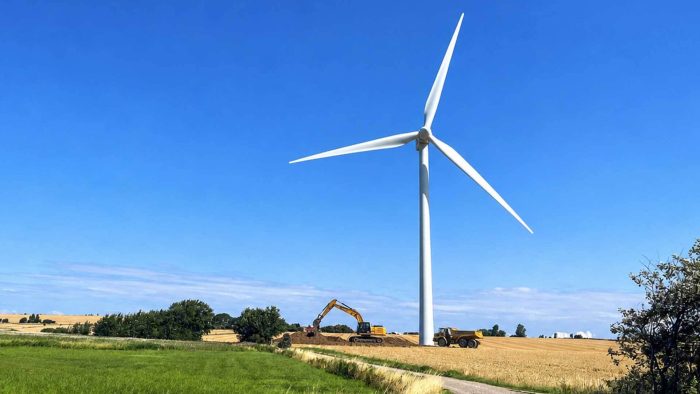
A wind farm build moves earth, concrete and turbine components across unsealed roads, often hundreds of kilometres from the nearest supplier. The right air, hydraulic, oil, fuel and coolant filters keep that machinery working.
Wind farms are built by heavy plant: excavators and graders forming roads and hardstands, cranes lifting tower sections, loaders and trucks moving material, and diesel generators powering the site. On a remote Australian build, that plant works in dust for months and cannot easily be swapped out or serviced in town.
Filtration is the quiet defence. A clean filter in the right place costs little. An engine or hydraulic pump that fails in the field costs days of delay on a project that runs to a tight schedule.
Why wind farm construction is hard on equipment

Take Stockyard Hill in Victoria, one of Australia’s largest wind farms at 530 MW. Before main construction began, the civil design work covered 34 km of local council roads and six VicRoads intersections so that turbine components could travel from the port to the site.
That is the scale of earthmoving and haulage involved, and it is typical of the industry rather than unusual.
Australian construction environmental plans show where the dust comes from. They list wind erosion of exposed ground and stockpiles, vehicle movement on unsealed roads, and machinery operation as dust sources, and they call for measures like limiting vehicle speeds on unsealed roads.
One territory-level air quality plan also asks for well-maintained earthmoving equipment, which is a reminder that clean, correctly filtered engines are part of good site practice as well as good economics.
Why it matters now: Australia’s wind build-out
Australian wind and renewables at a glance
| Measure | Figure | Source |
|---|---|---|
| Renewables share of electricity, 2025 | 43%, up from 39% in 2024 | 43%, up from 39% in 2024 |
| Operational onshore wind | 14.6 GW; about 1.7 GW more expected by end of 2026 | BNEF, via RenewEconomy |
| Wind outlook | About 12 GW today to 40 GW by 2035 and 57 GW by 2050 (Step Change) | AEMO Draft 2026 ISP |
| Wind in June 2026 | Overtook brown coal as the second largest generation source | RenewEconomy |
| Build pace | 2.3 GW reached financial close in 2025; at least 6 GW is needed each year | RenewEconomy commentary |
| Approvals pipeline | 67.3 GW of wind, solar and battery projects | RenewEconomy commentary |
Growing from about 12 GW to 40 GW by 2035 means a lot of new construction, and every one of those sites will run plant in Australian dust. Delays are costly because the system is already behind the pace it needs.
Which filter protects which system
Filtration by equipment and job on a wind farm site
| Equipment | Dust-related risk | Filters to specify |
|---|---|---|
| Excavators, graders, loaders | Dust and abrasives entering the engine intake wear cylinders and rings | Air filters; oil and fuel filters |
| Cranes and lifting plant | Contaminated hydraulic fluid damages pumps, valves and rams | Hydraulic filters; breather and air filters |
| Haul trucks and service vehicles | Unsealed-road dust and long duty cycles | Air, oil, fuel and coolant filters |
| Diesel generators and light towers | Run long hours with little supervision | Air, fuel, oil and coolant filters |
| Site offices and control rooms | Site offices and control rooms | HEPA filters for clean-air applications |
Air filters: the first line against dust
Air filters stop dirt, soot, carbon and abrasives from reaching the engine. On unsealed roads and exposed hardstands they load up faster than the schedule assumes, so inspect them more often in dry seasons.
Hydraulic filters: protecting critical lifting and earthmoving functions
Off-road and construction equipment relies on hydraulic fluid for its critical functions. Contamination there causes wear in pumps and valves and can stop a crane or loader mid-job.
Oil, fuel and coolant filters: the long-haul protection
Clean oil keeps engines performing consistently. Fuel filters protect injection systems from dirt, rust and scale. Coolant filters matter because Filters Plus cites an estimate that around half of premature engine failures trace to poor cooling system maintenance, and Australian summers add to the load.
What international research adds. A Swedish study of wind-turbine gearboxes found that cleaner oil benefits both the gearbox and the quality of failure diagnosis. A Spanish study of 30 turbines found that changes such as fitting offline filters can distort oil-analysis results unless records are reliable. Both reinforce the same message for construction plant: clean fluids and good records pay off.
A practical dust-season plan for plant managers
- Audit the fleet before mobilisation. List every machine, its filter part numbers, and its service interval.
- Shorten air filter checks in dry, windy weather. Match inspection frequency to dust load, not just engine hours.
- Keep hydraulic systems sealed and clean. Clean fill points and check breathers and filters before topping up.
- Stock a spares kit on site. Hold a full filter set for each critical machine, plus oil and coolant.
- Record changes. Log filter changes and oil samples so patterns show up before failures do.
Planning spares for remote sites

Distance is the main risk. A missed filter change on a remote site can cost more in lost time than the filter and the service combined. Build a spares plan around the longest realistic delivery time, not the shortest.
Filters Plus supplies Australia-wide, with overnight delivery to major cities, and supplies from global filtration specialists including WIX, Mann & Hummel, Donaldson, Filtrec, Sakura and Wesfil. We also stock oil and coolant, dispensing equipment and workshop consumables such as spill kits.
Get your plant ready before the dust arrives
Get in touch with the team at Filters Plus, and let us know what you are running and where, and we will help you match the right filter to each application.
Call 02 4271 8000, email sales@filtersplus.com.au, or browse the full filter range.