Selecting the Right Off-Highway Filters for Civil Construction Equipment
Navigating the Essentials of Off-Highway Filters for Your Civil Construction Equipment
When it comes to ensuring the longevity and performance of your civil construction equipment, selecting the right off-highway filters is not just a necessity; it’s a vital investment in your fleet’s efficiency. With the unique demands of off-road environments, the right filters serve as the frontline defence against contaminants that can wreak havoc on engine performance and operational reliability.
In this blog post, we’ll delve into the intricacies of selecting the right off-highway filters for civil construction equipment, highlighting their significance for civil earthmoving fleets. Filters are essential components that protect hydraulic systems, engines, and fuel injection systems from dirt, rust, and debris that can lead to costly repairs and downtime. Understanding what to look for in off-highway filters can make a world of difference in maintaining your equipment’s health.
We’ll cover key factors to consider when choosing off-highway filters, the benefits of regular maintenance, and how to ensure that your machinery operates at peak efficiency. This topic is particularly crucial for professionals in the civil construction sector, as the right filtration solutions can enhance fuel economy, extend engine life, and ultimately save you money.
At Filters Plus, we pride ourselves on our extensive expertise in the field of filtration, particularly in the realm of heavy equipment. We are committed to delivering high-quality filtration solutions tailored to a wide range of applications, giving you confidence to make informed decisions. Visit our Heavy Equipment Filtration page for more insights.
If you’re looking to optimise your civil construction equipment, feel free to reach out to Filters Plus for more information or assistance. Visit our contact page today to speak with our knowledgeable team and ensure your equipment is equipped with the best filters available.
Selecting the Right Off-Highway Filters for Civil Construction Equipment
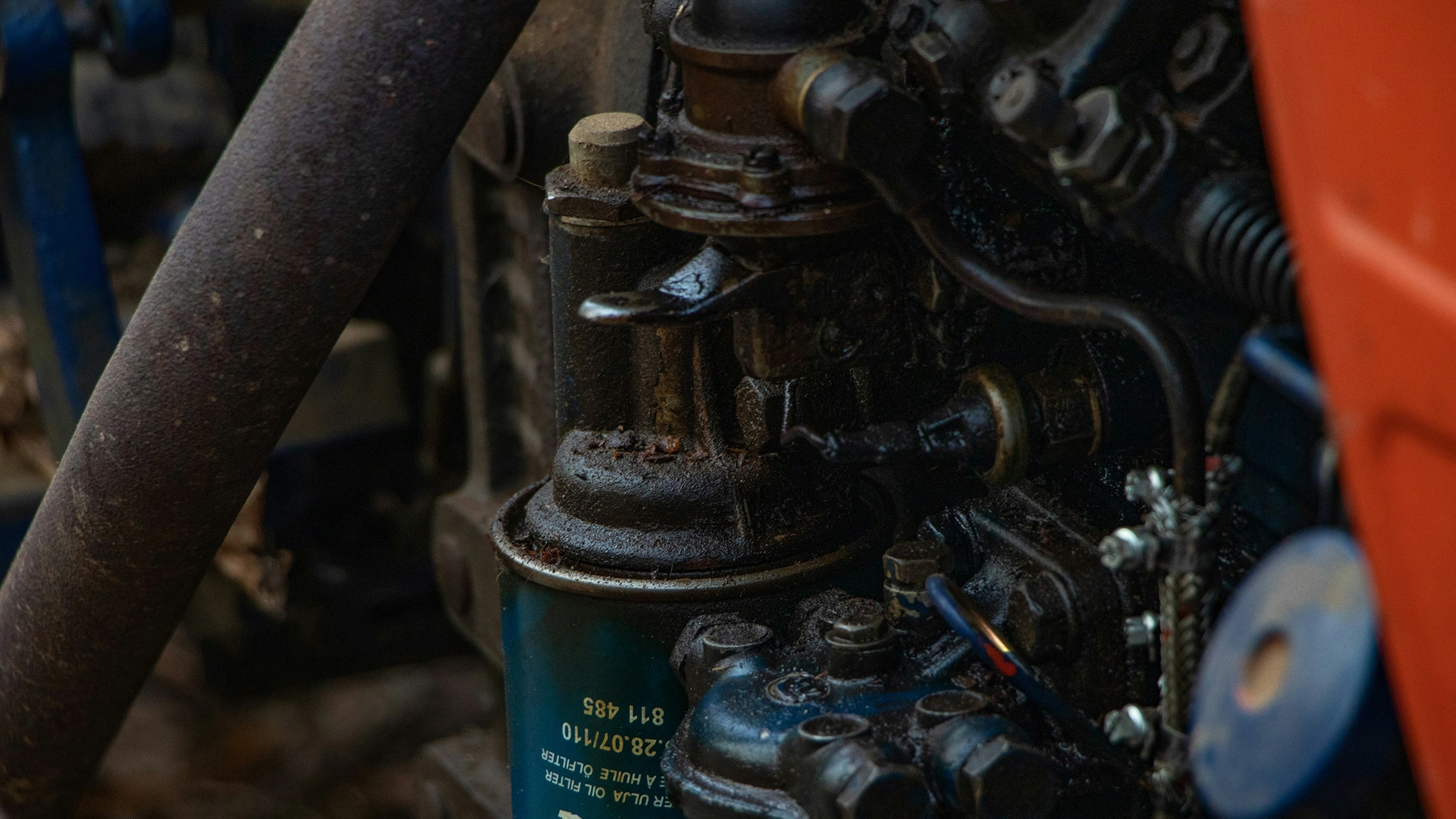
Selecting the right off-highway filters for civil construction equipment involves choosing filtration systems specifically designed to meet the rigorous demands of heavy-duty machinery. These filters are essential for protecting engines and hydraulic components from contaminants, helping to maintain peak performance and extend equipment lifespan. Integrating Fleet Filtration Solutions for Quarry Operations takes this a step further, enabling consistent protection and efficiency across entire fleets operating in harsh, dust-intensive environments. Much like a perfectly tailored suit enhances overall presentation, the right filtration setup optimises equipment performance, delivering smoother operations, improved reliability, and reduced downtime in even the most challenging conditions.
Key characteristics of these filters include their ability to trap dirt, dust, and other harmful particles that could otherwise lead to costly repairs and downtime. For instance, air filters are vital in preventing foreign particles from entering the engine, while fuel filters safeguard the fuel injection systems from rust and debris. The selection process often involves considering factors such as the filter’s capacity, compatibility with specific equipment, and operating conditions. We at Filters Plus understand that choosing the right filter is not just a matter of brand but also of functionality and reliability.
In the broader context of Heavy Equipment Filtration, selecting the right filters is akin to ensuring that a heart pumps effectively within a body. Without proper filtration, the entire system can fail, leading to severe consequences in terms of both performance and expenses. The interdependence of different filter types, such as hydraulic and oil filters, further underscores the importance of making informed selections to maintain equipment health.
A common misconception is that all filters serve the same purpose; however, each type is engineered for specific tasks. For example, while an air filter is designed to block particulates, a hydraulic filter is built to manage fluid cleanliness. Understanding these distinctions is critical to making the right choices for your construction fleet. At Filters Plus, we aim to demystify this process, guiding you through the selection of off-highway filters that best suit your civil construction equipment needs.
Essential Terms for Selecting the Right Off-Highway Filters
Understanding key terminology is crucial when navigating the world of off-highway filters for civil construction equipment. Here are some essential terms that will help you make informed decisions about filter selection and maintenance.
Air Filter
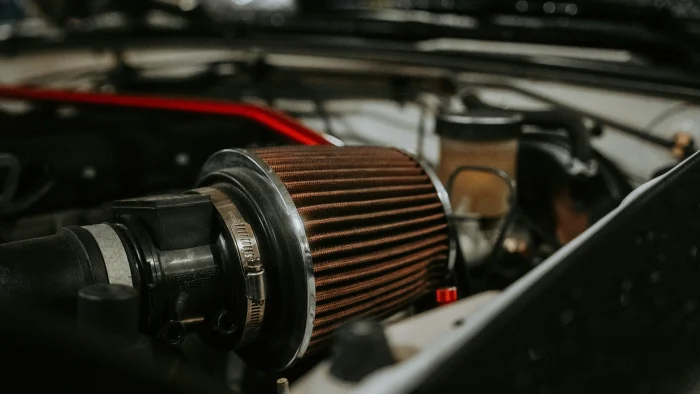
An air filter prevents dirt, dust, and other particles from entering the engine’s air intake system. It plays a vital role in ensuring that the engine receives clean air for efficient combustion and performance, significantly impacting the longevity of your equipment’s engine in civil construction applications. This makes it essential when selecting the right off-highway filters, as a clean air supply is crucial for optimal performance and fuel efficiency of heavy machinery.
Fuel Filter
A fuel filter removes contaminants from the fuel before it reaches the engine. Contaminants such as dirt, rust, and scale can cause significant damage to fuel injection systems, leading to engine performance issues. Understanding the importance of fuel filters is key when selecting the right off-highway filters, as they protect your equipment from potentially costly malfunctions.
Hydraulic Filter
Hydraulic filters are designed to remove contaminants from hydraulic fluids, which are essential for the operation of hydraulic systems in heavy equipment. Clean hydraulic fluid is critical for maintaining the efficiency and reliability of machinery used in construction. Therefore, selecting the right hydraulic filters can prevent breakdowns and extend the life of your civil construction equipment.
Coolant Filter
Coolant filters help remove contaminants from the engine coolant, which is vital for regulating engine temperature and preventing overheating. A well-maintained cooling system is crucial for the performance and longevity of your machinery. When selecting the right off-highway filters, ensure that you pay attention to coolant filters to protect your equipment from overheating and subsequent damage.
Pressure Drop
Pressure drop refers to the difference in pressure across a filter, indicating how well it is functioning. A significant pressure drop can signal that a filter is clogged and needs replacing. Understanding pressure drop is important when selecting the right filters, as it can directly affect the performance and efficiency of your civil construction equipment.
Service Interval
Service interval is the recommended time frame or usage period at which filters should be replaced or serviced. Adhering to these intervals is essential for maintaining optimal performance and preventing premature wear on your equipment. Knowing service intervals allows you to effectively plan maintenance schedules when selecting the right off-highway filters.
Contaminant
A contaminant is any foreign particle or substance that can negatively affect the performance of an engine or system, such as dirt, water, or chemical residues. Identifying potential contaminants is crucial when selecting the right off-highway filters, as the effectiveness of your filtration system depends on its ability to handle these harmful substances.
Familiarising yourself with these terms will empower you to make better decisions when selecting the right off-highway filters for your civil construction equipment. Knowledge is key to ensuring your machinery operates efficiently and remains in top condition.
Frequently Asked Questions about Off-Highway Filters
We understand that selecting the right off-highway filters for civil construction equipment can be daunting. Below, we’ve compiled some of the most common questions to help you make informed choices.
When selecting the right off-highway filters for civil construction equipment, you should consider air filters, fuel filters, oil filters, and hydraulic filters. Each type plays a crucial role in preventing contaminants from damaging your machinery, ensuring optimal performance and longevity.
The frequency of filter replacement depends on the specific equipment and its usage conditions. Generally, air filters should be checked regularly and replaced every 250 hours of operation, while oil and fuel filters may require replacement every 500 to 1000 hours. Always consult your equipment’s manual for the manufacturer’s recommendations.
Common signs that your filters need replacement include decreased engine performance, unusual noises, and increased fuel consumption. If you notice a drop in power or efficiency, it’s essential to check the filters, as clogged filters can lead to severe engine issues.
Yes, using the wrong filter can significantly damage your equipment. Incompatible filters may fail to trap contaminants effectively, leading to engine wear, overheating, and ultimately, premature failure. Always ensure that you select filters that meet the specifications provided by the manufacturer.
Choosing a reputable brand is vital to ensuring quality and reliability. At Filters Plus, we offer a range of trusted brands that are known for their durability and performance in the harsh conditions of civil construction. Our experienced team can help you select the right filters based on your specific needs.
Regular maintenance is key to prolonging the life of your filters. This includes routine inspections, keeping your equipment clean, and replacing filters according to the recommended schedule. Additionally, using high-quality fluids and filters will enhance overall performance and lifespan.
You can purchase off-highway filters at Filters Plus, where we offer a wide selection of filters suitable for various types of civil construction equipment. Our knowledgeable team is always ready to assist you in finding the right products at reasonable prices.
We hope these FAQs have clarified some of your concerns about selecting off-highway filters for civil construction equipment. If you have any further questions, feel free to reach out to the Filters Plus team for expert advice.
Bringing It All Together: The Value of Selecting the Right Filters
In conclusion, selecting the right off-highway filters for civil construction equipment is crucial for maintaining the efficiency and longevity of your machinery. Throughout this blog post, we have explored the various types of filters available, including air, fuel, and oil filters, as well as the vital role they play in preventing contaminants from causing engine damage. By prioritising the right filtration solutions, you ensure that your equipment operates smoothly and reliably, ultimately saving you time and money in the long run.
The importance of these filters cannot be overstated. Not only do they protect critical engine components from dirt and debris, but they also enhance fuel economy and reduce the risk of premature engine failures. As we have highlighted, up to 50% of such failures can be attributed to inadequate cooling system maintenance. Thus, understanding selecting the right off-highway filters for civil construction equipment is not merely a technical necessity but a strategic advantage for any construction operation.
Armed with the knowledge shared in this article, you can now make informed decisions that will safeguard your investments in civil construction equipment. Whether it’s ensuring clean oil for consistent engine performance or selecting robust air filters to keep harmful particles at bay, the right choices lead to better operational efficiency. We encourage you to delve deeper into this topic and consider how the right filters align with your overall equipment maintenance strategy.
At Filters Plus, we are committed to helping you find the best filters tailored to your specific needs. With over 20 years of experience in the industry, our knowledgeable team is always ready to assist you in navigating your filtration requirements. For further assistance or information, feel free to contact us. Partner with us to keep your machinery operating at peak performance while supporting best practices in Heavy Equipment Filtration. Visit our Heavy Equipment Filtration page to learn more.