
Why Dust Is the Biggest Threat to Heavy Equipment Operating in Australian Conditions
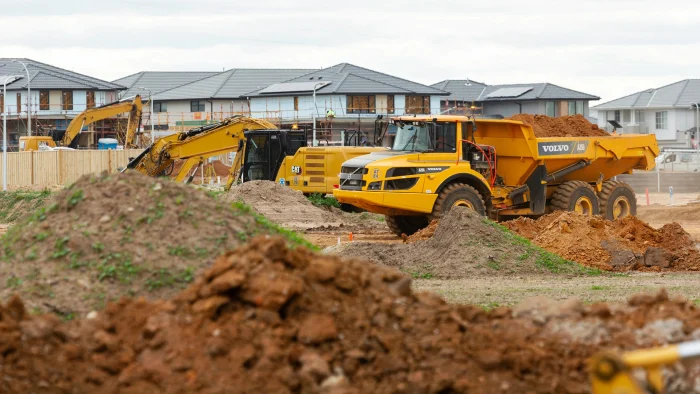
Dust: The Silent Enemy of Heavy Equipment in Australia
If you operate heavy machinery in a quarry, you already know the conditions can be brutal, but it is often the finest dust, not the biggest rocks, that causes the most expensive damage. In Australian worksites, dust works its way into engines, hydraulics, cooling systems and fuel systems, steadily wearing down performance long before a breakdown makes itself known. That is exactly why Why Dust Is the Biggest Threat to Heavy Equipment Operating in Australian Conditions matters so much to your operation.
For quarry teams, this is more than a maintenance issue; it is a productivity issue. Dust can choke air intake systems, contaminate oil and fuel, and reduce cooling efficiency, all of which can shorten equipment life and increase downtime. In this article, we will look at how dust enters heavy equipment, why it causes so much harm in harsh Australian environments, and how the right filtration approach can help protect your assets, reduce repair costs and keep machines working harder for longer.
This topic sits closely alongside our broader Heavy Equipment Filtration resource, because effective filtration is one of the most important defences you have against premature wear. At Filters Plus . Across Australia, Filters Plus helps customers select the right filters, oils and cooling solutions for demanding applications, including mining, earthmoving and quarry operations. For more information, visit our Heavy Equipment Filtration page.
If you are looking to improve reliability, protect critical components and make smarter maintenance decisions, this guide will give you a practical starting point. And if you want tailored advice for your equipment or operating conditions, contact Filters Plus, we are always happy to help you find the right solution.
How Dust Impacts Heavy Equipment Performance Across Australia
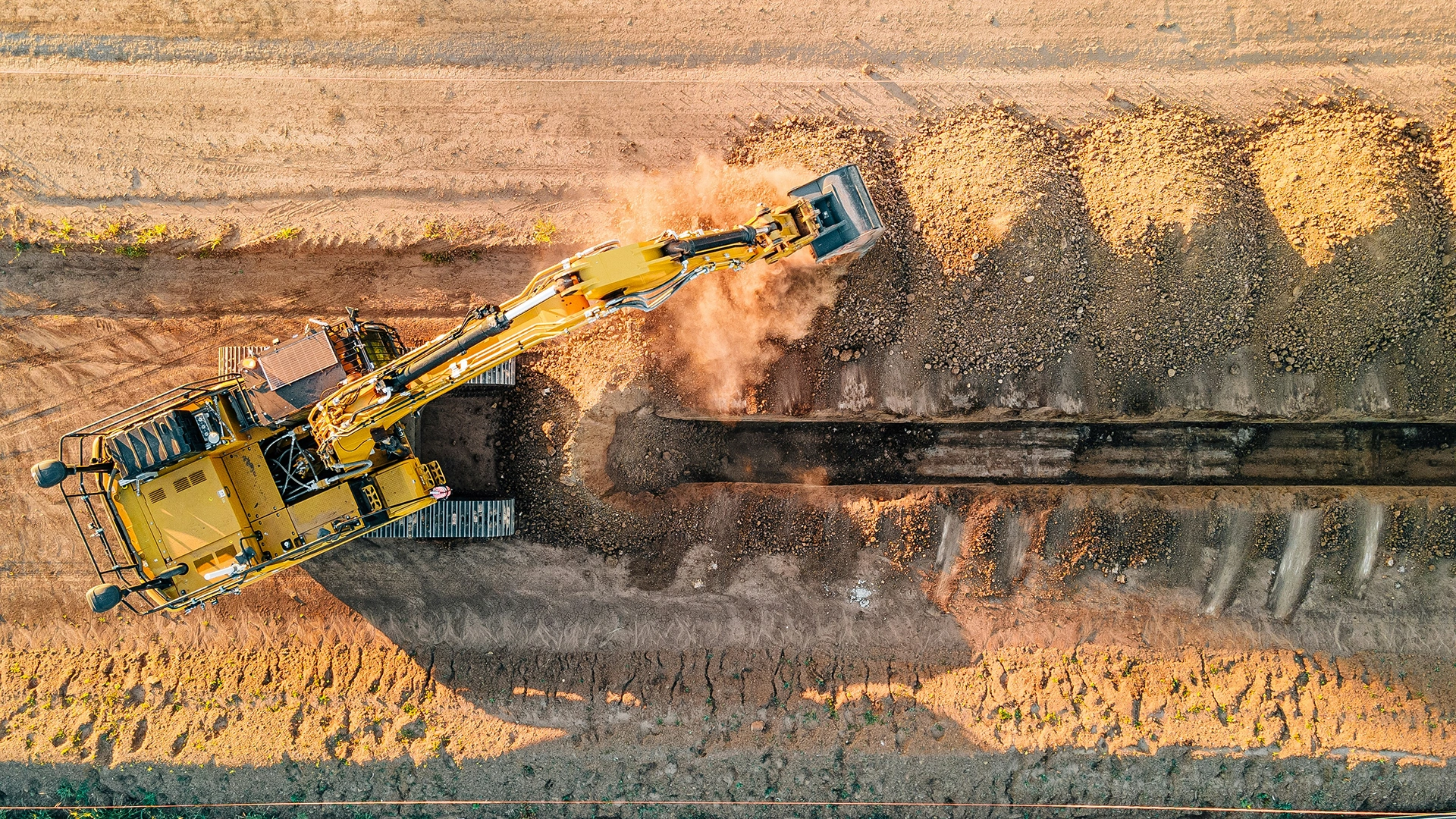
Why Dust Is the Biggest Threat to Heavy Equipment Operating in Australian Conditions is the simple reality that fine airborne particles can do far more damage to machines than many operators first realise. In quarry environments, dust gets everywhere into air intakes, hydraulic systems, fuel systems and cooling packs, and once it enters a machine, it acts like sandpaper on precision components. That means accelerated wear, reduced efficiency and, in the worst cases, costly downtime or premature failure.
The danger isn’t just visible dust sitting on the outside of a machine. The real problem is the fine, abrasive material you can’t always see. Think of it like grinding paste: if particles are allowed past the filter, they can scratch bores, contaminate oil, clog cooling systems and interfere with fuel injection. This is especially critical for fuel filters, which play a key role in protecting injectors and maintaining clean combustion in demanding operating conditions. In Australian conditions, where dry ground, long operating hours and harsh quarry sites are common, filtration becomes the first and most important line of defence.
This is where Heavy Equipment Filtration comes in. Good filtration is not just about stopping dirt, it’s about protecting the engine, hydraulics and cooling system so your equipment can keep working hard under punishing conditions. Air filters keep abrasive particles out of the combustion process, fuel filters protect injection systems, oil filters help maintain clean lubrication, and hydraulic filters safeguard the systems that power critical machine functions.
A common misconception is that dust is only a problem when conditions look extreme, such as during dry, windy weather. In truth, even moderate dust exposure adds up over time. That’s why regular filter maintenance matters just as much as choosing the right filter in the first place. At Filters Plus, we help you match the right filters, oil and coolant to the demands of your equipment, so you can reduce wear, protect uptime and keep your fleet performing in tough Australian quarry conditions.
Terms to know for protecting heavy equipment from dust
If you work in quarries, earthmoving or other tough Australian environments, understanding a few core terms can make a big difference to equipment reliability. These are the terms we recommend knowing when tackling Why Dust Is the Biggest Threat to Heavy Equipment Operating in Australian Conditions.
Abrasive dust
Abrasive dust is made up of fine, hard particles such as silica, rock and soil that can wear down surfaces as they move through an engine or machine. In Australia’s dry, dusty conditions, it is one of the main causes of accelerated component wear.
Intake air filtration
Intake air filtration is the process to remove dust and other contaminants from the air before it enters the engine. A well-maintained air filter helps prevent premature wear, loss of power and costly engine damage in dusty quarry and earthmoving work.
Restriction
Restriction refers to the resistance to airflow caused by a clogged or dirty filter. When restriction becomes too high, the engine may struggle to breathe properly, which can reduce performance and increase fuel use.
Seal integrity
Seal integrity is the ability of the filter and housing to form a tight, leak-free fit. If the seal is compromised, dust can bypass the filter and enter the engine, even when the filter itself looks serviceable.
Pre-cleaner
A pre-cleaner is a device fitted before the main air filter to remove larger particles and reduce the amount of dust reaching the filter. It is especially useful in heavy-duty Australian conditions where airborne dust levels can be extreme.
Condition monitoring
Condition monitoring means checking filter and system performance regularly so problems are caught early. In dusty operations, it helps you spot rising restriction, damaged seals or shortened filter life before they lead to downtime.
Filter service interval
A filter service interval is the recommended timeframe or operating condition for inspecting, cleaning or replacing a filter. In high-dust environments, these intervals often need to be adjusted to suit the actual site conditions rather than a generic schedule.
Knowing these terms helps you make better maintenance decisions, protect your machinery and reduce avoidable downtime. With the right filtration knowledge, you can keep working confidently in the harsh conditions that make dust such a serious threat.
FAQs: Protecting Heavy Equipment from Dust in Australian Conditions
If you’re working in Australia’s harsh, dusty environments, you’ll know how quickly contamination can affect performance. These FAQs answer the most common questions about why dust is such a serious issue and what you can do to protect your equipment.
Why is dust such a major problem for heavy equipment in Australia?
Dust is one of the biggest threats because it gets into engines, hydraulics, cooling systems and fuel systems far more easily in dry, abrasive conditions. Once contamination starts, it can accelerate wear, reduce efficiency and lead to costly breakdowns. In the context of <strong>Why Dust Is the Biggest Threat to Heavy Equipment Operating in Australian Conditions</strong>, the combination of heat, long operating hours and fine particles makes regular filtration absolutely critical.
What parts of heavy equipment are most affected by dust?
Air intake systems are usually hit first, but dust can also damage fuel injectors, hydraulic components, radiators and engine internals. If filters are blocked or poorly maintained, contaminated air and fluids can circulate through the machine and cause premature failure. That’s why choosing the right filters and replacing them on time is so important for keeping your equipment working properly.
How often should I check or replace filters in dusty conditions?
There’s no one-size-fits-all answer, because it depends on the machine, workload and environment. In very dusty areas, filters may need checking much more often than standard service intervals, especially during dry seasons or when working on unsealed roads, mine sites or earthworks. A good rule is to inspect filters regularly and replace them before they become restricted, rather than waiting for performance to drop.
Can dust really affect fuel economy and engine life?
Yes, it can. When filters are clogged or contamination enters the system, the engine has to work harder, which can increase fuel use and reduce performance. Over time, dust-related wear can shorten engine life significantly, which is why filter maintenance is a foundation of long-term reliability and efficiency.
What type of filters are best for dusty Australian work sites?
The best filter depends on your application, but heavy-duty air, fuel, oil, hydraulic and coolant filtration all play a role in protecting equipment. For example, a quality air filter helps stop dirt and abrasives from entering the engine, while a strong fuel filter protects injection systems from rust, scale and other contaminants. At Filters Plus, we help customers choose the right filters for mining, construction, agricultural and transport equipment so they get the protection their machines need.
How can I reduce dust damage beyond just changing filters?
Good filtration is essential, but it works best as part of a broader maintenance routine. Keeping seals intact, checking intake points, cleaning around service areas and avoiding unnecessary exposure to dust all help reduce contamination. If you’re operating in extreme conditions, it’s also worth reviewing your maintenance schedule and using quality components designed for heavy-duty Australian work.
Dust may be unavoidable in many Australian worksites, but the damage it causes doesn’t have to be. With the right filters, regular maintenance and expert advice, you can keep your equipment running cleaner, longer and more reliably.
Protecting Your Machinery from Dust Damage
In Australian worksites, dust is more than a nuisance, it is one of the fastest ways to wear down valuable equipment. As we’ve explored in Why Dust Is the Biggest Threat to Heavy Equipment Operating in Australian Conditions, fine particles can infiltrate engines, fuel systems, hydraulics and cooling components, leading to reduced performance, higher maintenance costs and avoidable downtime. When you understand how dust behaves, you’re in a much better position to protect your machinery before small issues become expensive failures.
That’s why filtration matters so much. Good maintenance practices, regular inspections and the right filters all play a vital role in keeping contaminants out and keeping your fleet working as it should. This topic sits naturally within the broader area of Heavy Equipment Filtration, where the right protection can make a real difference to equipment life, reliability and productivity.
At Filters Plus, we’ve spent over 20 years helping customers across Australia choose the right filters, oils, coolants and equipment for demanding applications. Whether you operate in mining, construction, agriculture or earthmoving, Filters Plus understands the challenges of demanding environments and the importance of maintaining clean, efficient and reliable equipment performance. For more information, visit our Heavy Equipment Filtration page.
If you’d like help finding the right solution for your equipment, we’re here to assist. Contact us via our contact page for practical advice, product support and expert guidance you can rely on. The right filtration choices today can help protect your machinery, improve performance and keep your operation moving tomorrow.