
Why Fuel Filtration Matters for Diesel-Powered Heavy Equipment for Preventing Downtime
When Clean Fuel Keeps the Machines Turning
If you manage wind farm operations, you already know that a single unplanned stop can ripple through an entire schedule. That is why Why Fuel Filtration Matters for Diesel-Powered Heavy Equipment is more than a maintenance topic, it is a practical safeguard against costly delays, lost productivity and avoidable repairs. In demanding environments, diesel engines and fuel systems are only as reliable as the fuel flowing through them.
For wind farm operators, heavy equipment often works in remote, harsh conditions where dust, moisture and contamination can quickly find their way into tanks and fuel lines. This blog explores Why Fuel Filtration Matters for Diesel-Powered Heavy Equipment, what fuel filtration actually does, and how it protects injectors, pumps and engines from premature wear.In simple terms, fuel filtration removes dirt, rust, scale and other contaminants before they can cause performance issues, component wear or unexpected breakdowns. It is an important part of maintaining reliable machinery and supports the broader filtration needs of quarry operators, wind farm fleets and civil earthmoving businesses. For more information, visit our Heavy Equipment Filtration page.
Over the course of this article, we will look at the common causes of fuel contamination, the warning signs of poor filtration, and the operational benefits of choosing the right filters and keeping them maintained. We will also explain how good filtration supports fuel economy, equipment longevity and more consistent performance across your fleet. For wind farms, that means fewer interruptions, safer site operations and better control over maintenance costs.
At Filters Plus , we understand the pressures that come with keeping diesel-powered machinery running efficiently in tough conditions. With over 20 years of experience supplying filters and related products Australia-wide, we help customers find the right solution for the job, whether that is for mining, hydraulic, diesel or heavy-duty applications. If you need help choosing the right fuel filtration setup, contact us and our team will be glad to assist.
Why Fuel Filtration Matters for Diesel-Powered Heavy Equipment

Why Fuel Filtration Matters for Diesel-Powered Heavy Equipment is the simple idea that clean fuel is essential if you want diesel machines to run reliably, efficiently and without avoidable stoppages. In practical terms, it means using the right fuel filtration to remove dirt, rust, water, scale and other contaminants before they reach sensitive injection components. For wind farm operators, where access can be remote and downtime is costly, this is not just a maintenance detail. it is a frontline defence against unplanned outages.
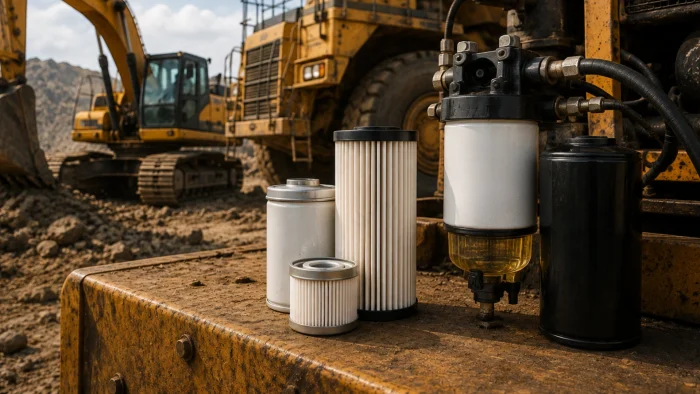
A proper fuel filtration system usually includes a filter element, a housing, seals and, in many cases, water separation features designed to trap contamination before it can damage injectors, pumps and combustion systems. Think of it like a security gate for your fuel supply: if the gate is weak or clogged, unwanted particles get through and begin wearing down the engine from the inside. The Cost of Neglecting Filters can quickly add up, as restricted or ineffective filtration may lead to poor starting, power loss, rough running, increased fuel use or, ultimately, a machine that is out of service when you need it most.
In the wider context of Heavy Equipment Filtration, fuel filtration works alongside air, oil, hydraulic and coolant filtration to help protect the entire machine. A common misconception is that fuel filters only matter when fuel appears visibly dirty, but many harmful contaminants are microscopic or carried in water that may not be visible. For diesel-powered heavy equipment operating in demanding environments such as quarries, wind farms and civil earthmoving sites, prevention is far more cost-effective than dealing with avoidable repairs. Clean fuel can help maintain consistent performance, protect components and reduce the risk of breakdowns that can interrupt operations. For more information, visit our Heavy Equipment Filtration page.
At Filters Plus, we understand that every hour of downtime has a cost. That is why we help you choose fuel filters and filtration supplies suited to your application, whether you are maintaining earth-moving equipment, diesel support vehicles or machinery operating in tough wind farm conditions. The right filtration setup gives you confidence that your equipment is protected, your maintenance is under control and your operation can keep moving with fewer interruptions.
Terms to know for keeping diesel equipment fuel clean and reliable
If you’re looking to minimise unplanned stoppages, it helps to understand the basics behind fuel cleanliness and engine protection. Here are the terms we often use when discussing Why Fuel Filtration Matters for Diesel-Powered Heavy Equipment and how it helps keep your equipment working when you need it most.
Fuel filtration
Fuel filtration is the process of removing dirt, water, rust and other contaminants from diesel before it reaches the engine. A good filter helps protect sensitive components and keeps fuel flowing properly.
Contaminants
Contaminants are unwanted particles or substances in diesel fuel, such as dust, grit, water or microbial growth. Even small amounts can cause wear, blockages and poor performance in heavy equipment.
Fuel injection system
The fuel injection system delivers diesel into the engine at the right pressure and in the right amount. Because it relies on very fine tolerances, it is highly vulnerable to damage from dirty fuel.
Micron rating
A micron rating tells you how small the particles are that a filter can capture. The lower the rating, the finer the filtration, which is especially important for protecting modern diesel engines from tiny abrasive particles.
Water separation
Water separation is the filter’s ability to remove water from diesel fuel before it reaches engine components. This matters because water can lead to corrosion, injector damage and cold-weather performance issues.
Clogging
Clogging happens when a filter becomes loaded with trapped dirt and can no longer let fuel pass through freely. In heavy equipment, a clogged filter can reduce power, cause hard starting and lead to unwanted downtime.
Preventive maintenance
Preventive maintenance is the routine inspection and replacement of parts before they fail. With fuel filters, this means servicing them on schedule so you can avoid avoidable breakdowns and keep your diesel fleet productive.
Knowing these terms makes it easier to choose the right filtration setup, spot problems early and protect your diesel equipment from costly interruptions. At Filters Plus, we help you match the right filter solution to the job, so your equipment stays cleaner, runs better and spends more time working.
Frequently Asked Questions About Diesel Fuel Filtration
If you’re looking to reduce breakdowns and keep your machinery working hard, these FAQs cover the essentials. Here’s what you need to know about Why Fuel Filtration Matters for Diesel-Powered Heavy Equipment and how it helps prevent costly downtime.
Why does fuel filtration matter so much in diesel-powered heavy equipment?
Diesel engines in heavy equipment rely on clean fuel to protect sensitive components such as injectors, pumps and combustion systems. Contaminants like dirt, rust, water and scale can restrict fuel flow, reduce performance and cause premature wear. In short, good filtration helps you avoid unnecessary repairs and keeps your machine operating reliably on site.
What happens if the fuel filter is neglected or replaced too late?
A neglected fuel filter can become clogged, which restricts fuel delivery and makes the engine work harder than it should. You may notice hard starting, power loss, rough running or even unexpected shutdowns during critical work. Over time, contaminated fuel can also damage the injection system, turning a simple maintenance task into a much bigger repair bill.
How often should fuel filters be changed on heavy-duty diesel equipment?
There isn’t one fixed interval for every machine, because service schedules depend on the manufacturer’s recommendations, operating conditions and fuel quality. Equipment working in dusty, wet or remote environments often needs more frequent checks and replacements. If you’re unsure, we recommend following the service manual and inspecting filters regularly as part of your maintenance routine.
Can poor fuel quality really cause downtime?
Yes, poor fuel quality is one of the most common causes of avoidable downtime in diesel equipment. Water contamination, microbial growth and debris can all interfere with fuel delivery and damage precision components, especially in high-pressure injection systems. Using the right fuel filtration setup helps you catch these issues early before they stop work in the field.
What signs suggest my fuel filtration system may not be working properly?
Common warning signs include sluggish acceleration, difficulty starting, reduced engine power, excessive smoke and frequent filter blockages. You might also see water contamination in the fuel system or notice your machine is using more fuel than usual. If these symptoms appear, it’s worth checking the filter condition and the wider fuel system straight away.
Are high-performing fuel filters worth the investment for heavy equipment?
Absolutely. A quality fuel filter can help protect expensive components, improve engine reliability and reduce the risk of unplanned maintenance. For machines that work long hours or operate in harsh conditions, the cost of better filtration is usually far less than the cost of a breakdown, lost time and repair work.
Good fuel filtration is a simple but powerful way to protect your diesel equipment and keep projects moving. If you need help choosing the right filter for your application, Filters Plus is here to help with practical advice and the right products for the job.
Keep Your Diesel Equipment Running Strong
In the end, Why Fuel Filtration Matters for Diesel-Powered Heavy Equipment comes down to one thing: protecting productivity. Clean fuel helps safeguard injectors, pumps and other vital components from dirt, rust, scale and water contamination, reducing wear and helping your machinery perform the way it should. When filtration is overlooked, small fuel issues can quickly turn into costly repairs and avoidable delays.
That is why this topic sits naturally within the wider conversation around Heavy Equipment Filtration. Whether you are managing quarry equipment, wind farm machinery or civil earthmoving fleets, the right filtration approach can support reliable performance, reduce component wear and help extend equipment service life. In practical terms, effective filtration can help keep your fleet operating efficiently on site and minimise unnecessary downtime. For more information, visit our Heavy Equipment Filtration page.
If your goal is Why Fuel Filtration Matters for Diesel-Powered Heavy Equipment for Preventing Downtime, the message is simple: regular maintenance and quality filters are not optional extras, they are essential safeguards. By understanding the risks of contaminated fuel and acting early, you can protect your equipment, reduce interruptions and keep work moving with confidence.
At Filters Plus , we have spent over 20 years helping customers find the right filtration solutions for demanding applications. If you would like support choosing the right fuel filters or want to discuss your equipment needs, contact us today and we will be happy to help.