Building a Heavy Equipment Filter Maintenance Schedule for Your Fleet with Proactive Guidance
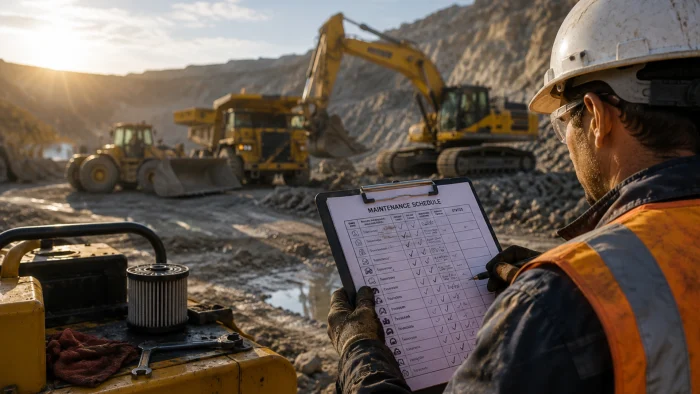
Why a Proactive Filter Schedule Keeps Heavy Equipment Moving
When a machine is down on site, the clock starts ticking on delays, labour costs and lost productivity. That is why Building a Heavy Equipment Filter Maintenance Schedule for Your Fleet is not just an admin task, it is a practical way to protect uptime, extend equipment life and keep your civil earthmoving fleet working at its best.
For fleets operating in demanding Australian conditions, a proactive approach to filtration helps reduce wear across engines, fuel systems, hydraulics and cooling systems. In this guide, we’ll look at what Building a Heavy Equipment Filter Maintenance Schedule for Your Fleet with Proactive Guidance really means, why it matters for heavy-duty operations, and how a well-planned schedule can support reliability, performance and long-term cost control.
At its core, this is about replacing filters before contamination becomes a problem. From air and fuel filters to hydraulic, oil and coolant filtration, each component plays a vital role in protecting your equipment from dirt, soot, rust, scale and other damaging particles.That makes filtration a central part of Heavy Equipment Filtration, especially for quarry operators, wind farm fleets and civil earthmoving businesses where machines are regularly exposed to demanding operating conditions. The right filtration solutions can help protect critical components, support reliable performance and reduce unnecessary downtime. For more information, visit our Heavy Equipment Filtration page.
In the sections ahead, we’ll cover how to assess service intervals, recognise operating conditions that affect filter life, and build a schedule that suits your fleet rather than relying on guesswork. You’ll also see how Filters Plus can help with the right filters, oil, coolant and equipment for your application, backed by over 20 years of experience and a reputation for practical, customer-focused advice. If you’d like help choosing the right products or setting up a better maintenance plan, contact us and we’ll be happy to assist.
Building a Heavy Equipment Filter Maintenance Schedule for Your Fleet
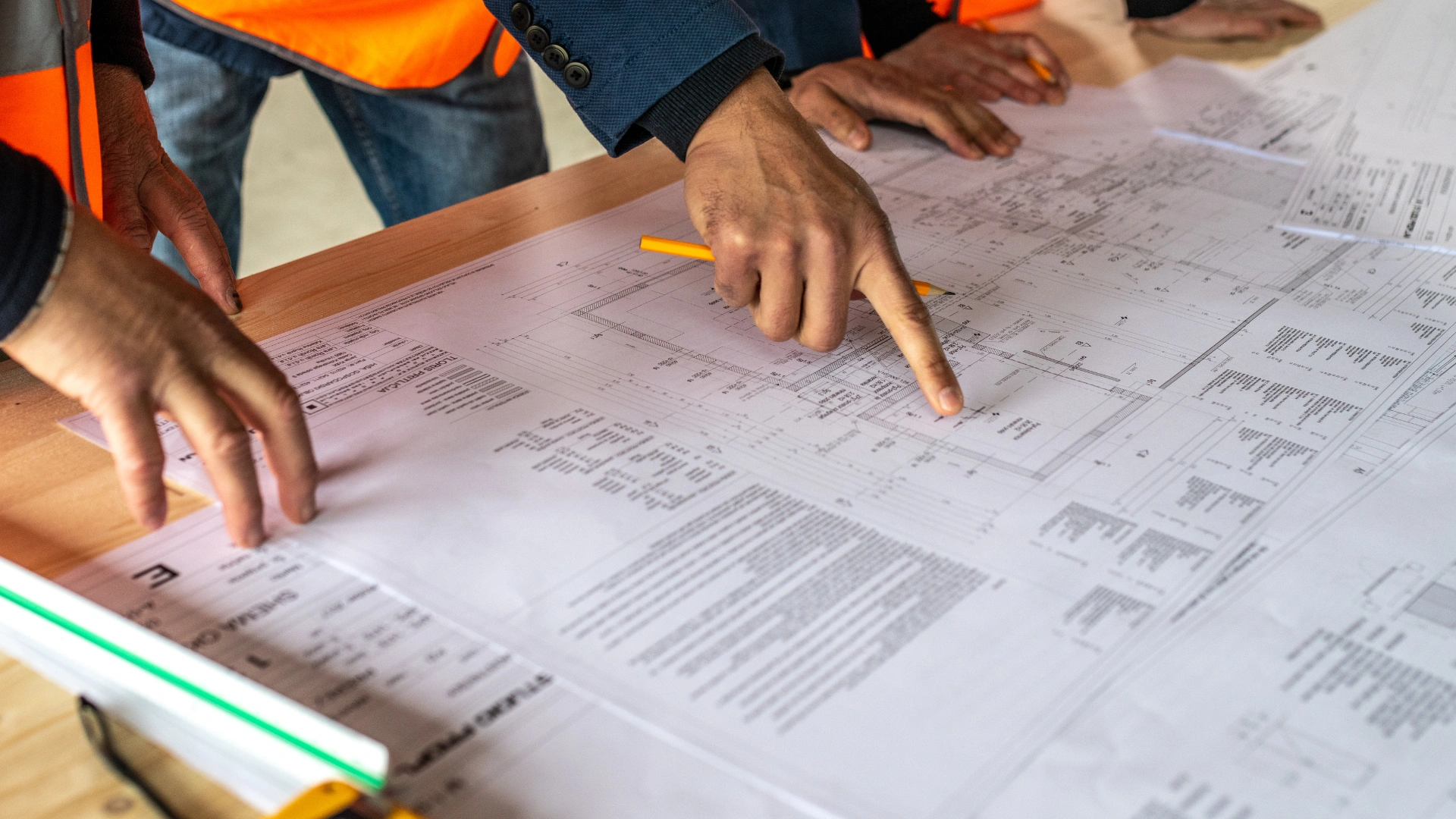
Building a Heavy Equipment Filter Maintenance Schedule for Your Fleet is a planned, proactive way to decide when each machine’s filters should be inspected, changed and tracked across your operation. Rather than waiting for a breakdown or relying on guesswork, you set a clear service rhythm for air, fuel, oil, coolant and hydraulic filters based on machine type, workload, site conditions and manufacturer guidance. For civil earthmoving fleets, that means fewer surprises, better uptime and stronger protection for the components that keep your equipment earning.
Think of it like a health plan for your fleet’s vital systems. Just as you wouldn’t ignore regular check-ups for a high-value asset, you shouldn’t leave filtration to chance. A well-built schedule looks at operating hours, dust levels, fuel quality, hydraulic demands and temperature extremes, then matches filter change intervals to real-world conditions. The goal of Building a Heavy Equipment Filter Maintenance Schedule for Your Fleet is not simply to replace filters more often, but to replace them at the right time, before contamination causes wear, overheating or power loss.
This is an important part of broader Heavy Equipment Filtration because filters are what stand between your engines, hydraulics and cooling systems and the dirt, soot, rust, scale and other contaminants that shorten service life. Choosing the Right Air Filters is particularly important in dusty and abrasive environments, where the wrong filter can allow contaminants to reach critical components or become restricted too quickly.
At Filters Plus, we understand that every fleet has different demands, and we help you find the right filters and supplies for the job. With the right maintenance schedule in place, you can support fuel economy, reduce premature wear and keep your equipment performing consistently. In short, this isn’t just filter replacement, it’s a practical system for protecting your fleet, improving reliability and making maintenance decisions with confidence.
Terms to Know for Building a Heavy Equipment Filter Maintenance Schedule
When you’re Building a Heavy Equipment Filter Maintenance Schedule for Your Fleet, a few core terms will help you make better decisions and keep your machines working at their best. Understanding these basics makes it easier to plan maintenance proactively, reduce downtime and protect valuable components.
Service interval
A service interval is the recommended time or operating-hours gap between inspections or replacements. It may be based on manufacturer guidance, site conditions and how hard your equipment is working. It matters because a well-planned interval helps you replace filters before performance drops or damage starts.
Filtration efficiency
Filtration efficiency describes how effectively a filter captures contaminants while still allowing the right flow through the system. In heavy equipment, this is crucial for keeping dirt, soot, metal particles and other debris out of engines, hydraulics and fuel systems. Higher efficiency can mean better protection, especially in harsh civil earthmoving conditions.
Contamination control
Contamination control is the practice of preventing dirt, water, dust and other foreign material from entering fluids and critical systems. It includes proper storage, clean handling, correct installation and timely filter changes. For your fleet, strong contamination control supports reliability and helps reduce avoidable wear.
Differential pressure
Differential pressure is the difference in pressure between the inlet and outlet sides of a filter. As a filter traps more debris, this pressure difference can increase, which is often a sign that the filter is becoming restricted. Monitoring it can help you know when to act before flow is affected and performance suffers.
OEM specification
OEM specification refers to the original equipment manufacturer’s recommended standards for parts, fluids and maintenance procedures. These specifications outline the right filter type, performance level and service requirements for each machine. Following them helps ensure compatibility and protects warranty and machine reliability.
Preventive maintenance
Preventive maintenance is scheduled servicing carried out before a failure occurs, rather than waiting for a problem to appear. For filters, this means changing and checking components on a planned basis to avoid contamination-related breakdowns. It is a practical approach when you’re managing multiple machines and want fewer surprises on site.
Hydraulic system cleanliness
Hydraulic system cleanliness refers to how free the hydraulic fluid and components are from dirt, water and wear particles. Because hydraulics power many heavy-duty functions, even small amounts of contamination can affect responsiveness and component life. Keeping this system clean is essential when Building a Heavy Equipment Filter Maintenance Schedule for Your Fleet, particularly for excavators, loaders and dozers.
Knowing these terms gives you a stronger starting point for making informed maintenance decisions and keeping your fleet productive. With the right filter schedule in place, you can protect engines, hydraulics and fuel systems while reducing downtime and operating costs.
FAQs on Building a Heavy Equipment Filter Maintenance Schedule
If you’re Building a Heavy Equipment Filter Maintenance Schedule for Your Fleet, a few practical questions usually come up straight away. Below, we’ve answered the most common ones to help you keep your equipment protected, productive and ready for work.
How often should I replace filters in heavy equipment?
There isn’t a one-size-fits-all answer, because service intervals depend on the machine, the operating environment and the type of filter. For example, equipment working in dusty construction or mining conditions will usually need more frequent air and fuel filter checks than machines used in cleaner environments. The best approach is to follow the manufacturer’s recommendations, then adjust based on real-world conditions and inspection results.
Which filters should be prioritised in a fleet maintenance schedule?
We recommend starting with air, fuel, oil and hydraulic filters, as these play a major role in engine protection and system performance. Air filters help keep dirt and abrasive particles out of the engine, while fuel filters protect injection systems from contamination. Oil and hydraulic filters are equally important because clean fluids are essential for reliable operation and reduced wear across heavy-duty equipment.
What signs suggest a filter needs replacing sooner than planned?
Reduced performance, increased fuel use, hard starting, unusual engine noise or visible contamination are all signs that a filter may be nearing the end of its service life. In hydraulic systems, slower response or inconsistent operation can also point to restricted flow or a blocked filter. If you notice these symptoms, it’s worth inspecting the filter immediately rather than waiting for the next scheduled service.
How does the working environment affect filter maintenance intervals?
Operating conditions have a big impact on how quickly filters load up with dust, debris and contaminants. A machine used on a sealed industrial site may stay within service limits for longer, while a dozer, excavator or loader working in dry, dusty or high-debris conditions may need more frequent attention. When Building a Heavy Equipment Filter Maintenance Schedule for Your Fleet, it’s smart to build in flexibility for seasonal changes, site conditions and workload.
Can poor filter maintenance really affect fuel economy and engine life?
Yes, it absolutely can. A clogged air or fuel filter can restrict flow, force the engine to work harder and reduce efficiency, while contaminated oil or coolant can accelerate wear and increase the risk of costly breakdowns. Good filter maintenance is one of the simplest ways to support fuel economy, extend component life and reduce unplanned downtime.
How can Filters Plus help me choose the right filters for different machines?
At Filters Plus, we help you match the right filters to the right application, whether you’re working with mining, hydraulic, diesel, automotive or heavy-duty equipment. Our team can guide you through selecting filters, oil, coolant and related supplies so your fleet gets the protection it needs without overspending. If you’re unsure which product suits a specific machine, we’re here to help you find a practical, reliable solution.
A well-planned filter schedule takes the guesswork out of maintenance and helps your fleet run more efficiently for longer. If you want expert support while Building a Heavy Equipment Filter Maintenance Schedule for Your Fleet, Filters Plus is ready to help you keep every machine working at its best.
Keep Your Fleet Running Strong with a Smarter Filter Plan
Building a Heavy Equipment Filter Maintenance Schedule for Your Fleet is one of the simplest ways to protect uptime, reduce avoidable repairs and keep every machine working at its best. From air and fuel filters to oil, hydraulic and coolant systems, a proactive approach helps you stay ahead of contamination, improve efficiency and support longer equipment life. When maintenance is planned rather than reactive, you gain better control over costs and fewer surprises in the field.
That is why this topic sits closely within the wider world of Heavy Equipment Filtration. The right maintenance schedule does more than tick a box, it provides a practical framework for matching filter changes to operating conditions, usage patterns and manufacturer recommendations. In turn, quarry operators, wind farm fleets and civil earthmoving businesses can make better maintenance decisions, reduce the risk of premature wear and poor performance, and minimise costly equipment downtime. For more information, visit our Heavy Equipment Filtration page.
At Filters Plus, we understand how important reliable filtration is to heavy-duty operations across Australia. With over 20 years of experience supplying the right filters and related products, we help you choose solutions that suit your equipment, your environment and your budget. Our team is here to make filter maintenance straightforward, practical and effective.
If you are ready to strengthen your maintenance routine, now is the time to put this guidance into action. Review your fleet’s current schedule, identify any gaps and take the next step towards better protection and performance. For tailored advice or product support, contact Filters Plus today we are here to help you keep your fleet running smoothly.