
Choosing the Right Air Filters for Heavy-Duty Earthmoving Equipment for Equipment Longevity
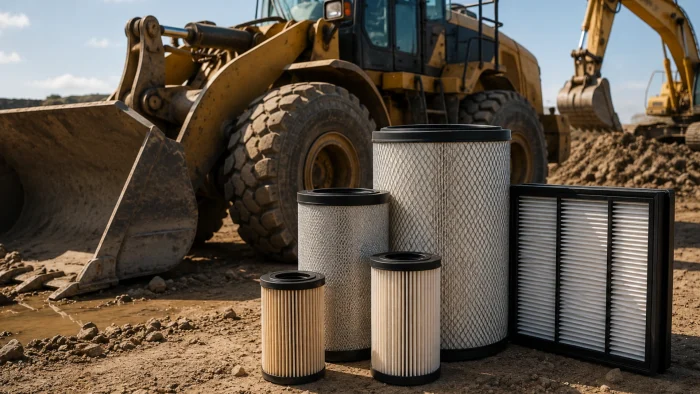
Why the Right Air Filter Choice Matters on Every Site
When a bulldozer is chewing through dust, a grader is working a dry haul road, or an excavator is idling in harsh conditions, the air it breathes can be just as important as the fuel it burns. That is why Choosing the Right Air Filters for Heavy-Duty Earthmoving Equipment is not a minor maintenance task, it is a practical decision that can shape uptime, engine health and operating costs across your fleet.
For civil earthmoving fleets, the right air filter helps keep abrasive dust, soot and other contaminants out of critical engine components, supporting cleaner combustion and reducing wear over time. In simple terms, Choosing the Right Air Filters for Heavy-Duty Earthmoving Equipment for Equipment Longevity means selecting filtration that matches the machine, its application and the conditions it faces every day.
As part of broader Heavy Equipment Filtration, the right air filter can help protect engines from dust and airborne contaminants, support consistent performance and contribute to longer equipment service life. For more information, visit our Heavy Equipment Filtration page.
In this post, we’ll look at what makes an air filter suitable for heavy-duty earthmoving equipment, why filtration quality matters in demanding environments, and how the wrong choice can lead to avoidable engine strain and costly downtime. We’ll also cover the practical factors that help you decide whether a filter is built for the job, from dust-holding capacity to fitment and maintenance intervals.
At Filters Plus , we’ve spent more than 20 years helping Australian operators find the right filters and supplies for tough applications, including mining, construction and heavy duty equipment. If you want straightforward advice or help matching the right filter to your machine, contact us, we’re here to help you keep your equipment working harder for longer.
Choosing the Right Air Filters for Heavy-Duty Earthmoving Equipment
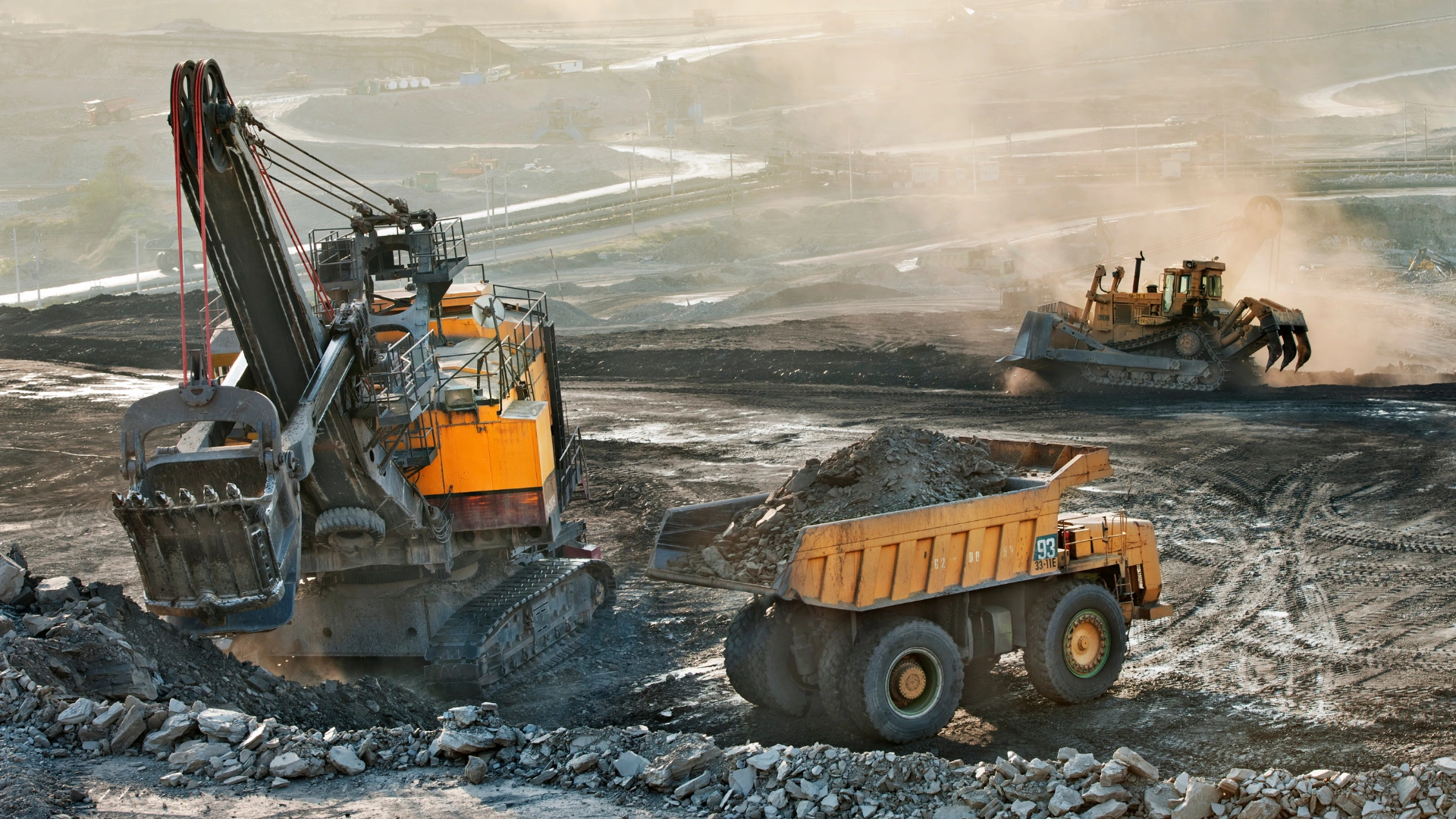
Choosing the Right Air Filters for Heavy-Duty Earthmoving Equipment is the process of selecting an air filter that can properly protect your machine’s engine in harsh, high-dust working conditions. For civil earthmoving fleets, this is not just a maintenance task, it is a direct investment in equipment longevity. A well-matched air filter helps stop dirt, soot, carbon and abrasive particles from entering the engine, where they can accelerate wear, reduce efficiency and shorten service life. Think of it as the machine’s first line of defence: if the filter fails, everything downstream works harder.
The right filter is more than a part that fits the housing. It needs the correct filtration efficiency, dust-holding capacity and airflow performance for the application. Including air filter checks in a Maintenance Schedule for Your Fleet can also help operators monitor filter condition and replace components before restrictions affect performance. In heavy-duty earthmoving equipment, that balance matters because an overly restrictive filter can starve the engine of air, while a poor-quality or underspecified filter may let damaging contaminants through. The goal is to keep clean air moving freely into the combustion process, much like a clean respirator helps a worker breathe properly in a dusty environment.
Within the broader world of Heavy Equipment Filtration, air filters play a critical role alongside fuel, oil, coolant and hydraulic filtration. Each system protects a different part of the machine, but the air filter is especially important in off-road environments where dust loads are constant and severe. A common misconception is that all air filters are essentially the same if they look similar. In reality, construction and earthmoving equipment often needs filters designed for specific engine demands, duty cycles and site conditions.
At Filters Plus, we help you choose air filters that suit the realities of your fleet, not just the catalogue description. With over 20 years of experience supplying filters Australia wide, we understand that the right choice can support better fuel economy, lower maintenance risk and longer engine life. For you, that means fewer unplanned stoppages, better protection against premature engine wear and more value from every machine in the fleet.
Terms to know when choosing air filters for heavy-duty earthmoving equipment
If you’re Choosing the Right Air Filters for Heavy-Duty Earthmoving Equipment, it helps to understand a few core terms first. Knowing what they mean makes it easier to select filters that protect your engines, reduce downtime and support long-term equipment longevity.
Filtration efficiency
Filtration efficiency is the filter’s ability to capture harmful particles before they reach the engine. A more efficient filter traps more dust, soot and abrasive debris without letting them pass through.
Airflow restriction
Airflow restriction is the resistance a filter creates as air moves through it. If restriction is too high, the engine may struggle to breathe properly, which can affect performance and fuel use.
Dust holding capacity
Dust holding capacity refers to how much dirt a filter can collect before it becomes clogged. In heavy-duty earthmoving work, a higher capacity can mean longer service intervals in harsh, dusty conditions.
Seal integrity
Seal integrity is the filter’s ability to form a tight, reliable seal inside the housing. If the seal is poor, unfiltered air can bypass the media and carry contaminants straight into the engine.
Primary filter
A primary filter is the main air filter that removes the bulk of airborne contaminants. It does most of the heavy lifting in protecting your engine during everyday earthmoving operations.
Secondary filter
A secondary filter, sometimes called a safety filter, sits behind the primary filter as an extra layer of protection. It catches particles that may get through if the primary filter is damaged or changed at the wrong time.
Service interval
A service interval is the recommended time or operating-hour schedule for inspecting, cleaning or replacing a filter. Following the correct interval is essential for keeping airflow strong and engine wear to a minimum.
Understanding these terms gives you a solid starting point for Choosing the Right Air Filters for Heavy-Duty Earthmoving Equipment. With the right filter knowledge, you can better protect your machinery, reduce costly breakdowns and keep your fleet working longer and more reliably.
FAQs on Choosing the Right Air Filters for Heavy-Duty Earthmoving Equipment
If you’re working in dusty, demanding conditions, the right air filter can make a real difference to performance and equipment life. Below, we answer some of the most common questions about Choosing the Right Air Filters for Heavy-Duty Earthmoving Equipment so you can make a confident choice for your fleet.
Why is Choosing the Right Air Filters for Heavy-Duty Earthmoving Equipment so important for equipment longevity?
Air filters are the first line of defence against dirt, soot, carbon and other airborne contaminants that can wear down internal engine components. In earthmoving environments, where dust and debris are constant, a poor-quality or poorly matched filter can allow harmful particles into the engine, leading to reduced efficiency, higher fuel use and costly repairs. Choosing the Right Air Filters for Heavy-Duty Earthmoving Equipment helps protect your machinery, extend service life and keep downtime to a minimum.
How do I know which air filter is right for my machine?
The best place to start is your equipment make, model and engine specifications, as these determine the correct fit and filtration requirements. You also need to consider the operating environment — for example, a dozer working in quarry dust will need more robust protection than a machine used in lighter conditions. If you’re unsure, we can help you match the right filter to your application so you get reliable performance without guesswork.
Should I choose a standard air filter or a heavy-duty option?
That depends on how hard your equipment works and how harsh the conditions are. Standard filters may suit less demanding applications, but heavy-duty earthmoving equipment often benefits from filters designed for higher dust loads, longer service intervals and tougher operating conditions. If your machine is regularly exposed to fine dust, mud or debris, a heavy-duty option is usually the smarter choice for long-term protection.
How often should air filters be replaced on earthmoving equipment?
There isn’t a one-size-fits-all answer, because replacement intervals depend on usage, site conditions and the type of filter fitted. Machines operating in very dusty environments may need inspections and replacements far more often than equipment used in cleaner conditions. A good rule is to check filters regularly and replace them before they become heavily restricted, as a clogged filter can reduce airflow and strain the engine.
Can a blocked air filter really affect fuel economy and performance?
Yes, when airflow is restricted, the engine has to work harder to draw in the air it needs, which can affect combustion and reduce overall efficiency. You may notice sluggish performance, increased fuel consumption or more smoke than usual. Keeping the air filter in good condition supports smoother engine operation and helps maintain the fuel economy and longevity that heavy-duty equipment depends on.
What signs suggest my air filter may need changing?
Common warning signs include reduced power, harder starting, unusual engine noise, visible dirt build-up and a drop in fuel efficiency. In some cases, the filter may look dirty on the outside, but the real issue is restriction inside the media, which is why regular inspection matters. If your machine is working in severe conditions, don’t wait for obvious symptoms — proactive replacement is usually the better approach.
Can Filters Plus help me find the right air filter for my equipment?
Absolutely. At Filters Plus, we’ve been helping customers across Australia find the right filters, oil, coolant and equipment for over 20 years, and we understand the demands of heavy-duty and earthmoving applications. If you need guidance on Choosing the Right Air Filters for Heavy-Duty Earthmoving Equipment, our experienced team can help you select a suitable option for your machine, your site conditions and your maintenance schedule.
Choosing the right air filter is a simple step that can have a major impact on reliability, performance and equipment life. If you need practical advice or the right filter for your machine, Filters Plus is here to help.
Keeping Your Equipment Protected for the Long Haul
Choosing the Right Air Filters for Heavy-Duty Earthmoving Equipment comes down to one simple goal: protecting your machinery so it can keep performing in harsh, high-dust environments. Throughout this article, we’ve looked at why filtration quality matters, how the right fit and specification can reduce contamination, and why regular replacement is essential for reliable operation and equipment longevity.
When you choose an air filter that suits your machine and working conditions, you help safeguard the engine from dirt, soot, abrasives and other harmful particles that can cause unnecessary wear. That means fewer breakdowns, better efficiency, and more consistent performance on site. If you’re comparing options as part of your wider Heavy Equipment Filtration requirements, this is a smart place to start.
At Filters Plus, we understand the demands placed on heavy-duty earthmoving equipment, and we’re here to help you find the right filters for the job. With decades of experience supplying quality filtration products across Australia, we make it easier for quarry operators, wind farm fleets and civil earthmoving businesses to choose the right filtration solutions with confidence, helping protect equipment performance, reduce unnecessary wear and keep your fleet operating at its best. For more information, visit our Heavy Equipment Filtration page.
If you’d like expert advice or need help selecting the most suitable filter for your equipment, get in touch with us via our contact page. The right advice today can make a real difference to the performance and lifespan of your machinery tomorrow.